Blog
How Working with Your Hands Brings Deep Wellbeing

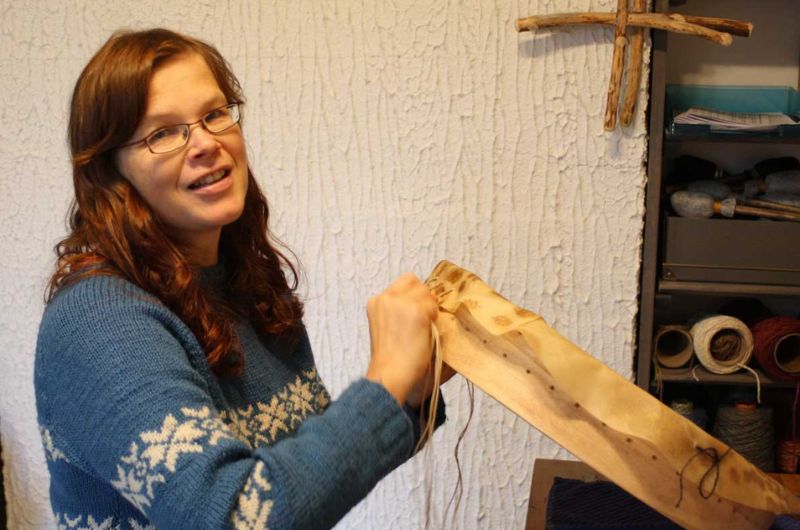
Have you ever lost yourself so completely in a task that hours felt like minutes? Where the outside world faded away, and there was only you, your hands, and something beautiful taking shape before your eyes? Here at Rumpu-ukko, we experience this magic almost daily. When I’m crafting a new shamanic drum – stretching the reindeer hide, adjusting the tension just so, listening to the first tentative beats – time simply disappears. My mind quiets. My breath slows. The constant mental chatter that usually fills my head fades into silence. It’s not work in the traditional sense. It’s flow. It’s meditation. It’s joy.
And as it turns out, science is now confirming what craftspeople, artisans, and makers have known in their bones for millennia: working with your hands is extraordinarily good for you – not just physically, but mentally, emotionally, and even spiritually.
What Science Tells Us About Crafting and Wellbeing
In recent years, researchers across Europe have been investigating what happens to our brains, our bodies, and our sense of wellbeing when we engage in manual creative work. The results are striking – and they paint a compelling picture of why humans have always been makers.
A groundbreaking study from Anglia Ruskin University, published in the journal Frontiers in Public Health, analyzed data from over 7,000 participants in the UK’s annual Taking Part survey. The researchers wanted to understand how engagement with arts and crafts affected people’s subjective wellbeing.
What they found was remarkable.
People who engaged in arts and crafts activities reported significantly higher levels of happiness and life satisfaction compared to those who didn’t. But here’s what really caught researchers’ attention: the boost to participants’ sense that life is worthwhile was as significant as being in employment.
Think about that for a moment. In our society, employment is often seen as essential not just for income, but for meaning, structure, and identity. Yet this study found that the simple act of making something with your hands – whether knitting, pottery, woodworking, or drum-making – can provide an equally powerful sense of purpose and worth.
“Crafting and other artistic activities showed a meaningful effect in predicting people’s sense that their life is worthwhile. Indeed, the impact of crafting was bigger than the impact of being in employment”, tells Dr. Helen Keyes, Lead Researcher, Anglia Ruskin University. She explains why: “Not only does crafting give us a sense of achievement, it is also a meaningful route to self-expression. This is not always the case with employment.”
The Flow State: Where Time Disappears and Healing Begins
When you’re deeply engaged in a craft – especially one involving repetitive, rhythmic actions – something profound happens in your brain. Psychologists call it the “flow state,” a term coined by researcher Mihaly Csikszentmihalyi in the 1970s.
In flow, you’re completely absorbed in what you’re doing. Time becomes elastic – hours can feel like minutes. Your sense of self-consciousness drops away. You’re not thinking about the activity; you are the activity.
As your hands recall well-practiced movements – whether it’s stitching, throwing clay, carving wood, or stretching hide on a drum frame – your whole body comes to attention. But it’s a relaxed, focused attention, very different from the scattered, anxious attention demanded by modern digital life.
According to the reserch on crafting and mental health, “there’s no switching tabs. There’s no multitasking. There’s only the moment, the artisan, the craft, and the item in the process of being made by hand.”
This state of absorbed presence is essentially a form of moving meditation – and it comes with all the stress-reducing, mood-enhancing benefits that meditation provides.
The Comprehensive Picture: What 19 Studies Reveal
A systematic review published in the Australian Occupational Therapy Journal in 2025 analyzed 19 studies on craft-based interventions and their effects on mental health and wellbeing. The review looked at diverse crafts – from knitting and pottery to art therapy and textile work – across different populations.
The findings were remarkably consistent. Across all 19 studies, participants who engaged in crafting showed short-term improvements in multiple areas:
- Reduced anxiety and stress – Crafting activities lowered cortisol (the stress hormone) and helped people manage daily pressures
- Decreased depression symptoms – Regular crafting helped people cope with negative feelings and improved overall mood
- Enhanced self-efficacy – Creating something tangible boosted people’s confidence in their abilities
- Improved self-esteem and life satisfaction – Completing projects created a sense of accomplishment and pride
- Better social skills and connections – Crafting groups reduced loneliness and fostered meaningful relationships
- Increased interest in life – People reported feeling more engaged and purposeful
- Greater sense of hope – Crafting helped counter feelings of hopelessness
The review noted that while more long-term research is needed, these benefits were consistent across different types of crafts, different populations, and different research designs.
Protecting Your Brain: Cognitive Benefits That Last
Perhaps most exciting for those of us thinking about aging well, research shows that crafting offers significant cognitive benefits – and may even protect against memory decline. A study published in The Journal of Aging and Health found that elderly individuals who regularly engaged in arts and crafts activities showed improved cognitive function compared to those who didn’t. This included better memory, concentration, and problem-solving skills.
The Mayo Clinic in Minnesota found that craft hobbies such as patchwork and knitting reduced the risk of memory impairment. And research from University College London’s MARCH mental health network found that engaging with visual arts and creative activities can protect against dementia’s development.
Why? Crafting requires attention to detail, planning, decision-making, and the use of fine motor skills – all of which stimulate brain activity and build cognitive reserve. It’s like a workout for your brain, but one that feels like play.
Dr. Daisy Fancourt, who led the UCL research, explains: “The arts are linked with dopamine release, which encourages cognitive flexibility, and they reduce our risk of dementia. Cultural activities encourage gentle movement, reduce social isolation, and lower inflammation and stress hormones such as cortisol.”
The Social Dimension: Crafting Communities and Connection
While crafting can be wonderfully meditative as a solitary practice, research also highlights the powerful social benefits of crafting with others.
A study by researcher Sinikka Hannele Pöllänen from the University of Eastern Finland found that textile crafts helped people cope with depression and negative feelings specifically through the social support and positive relationships formed in crafting groups.
A 2015 study from Brigham Young University found that loneliness increases the risk of premature death by 26%. In this context, crafting communities aren’t just nice – they may be essential to wellbeing and longevity.
The Shamanic Drum: Where Ancient Wisdom Meets Modern Science
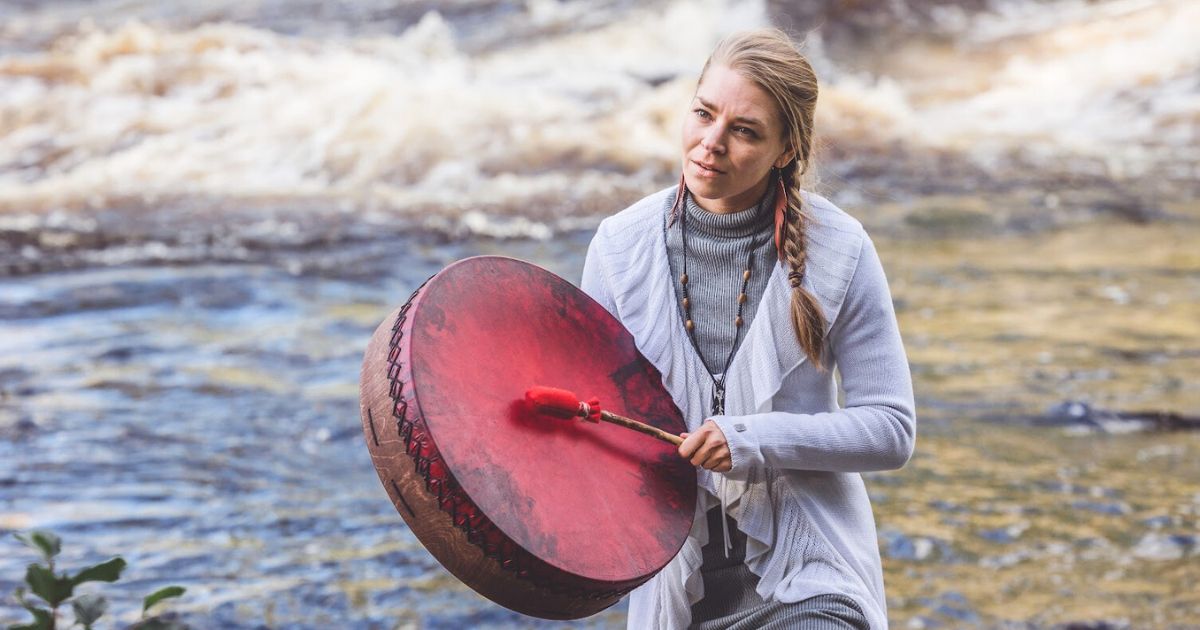
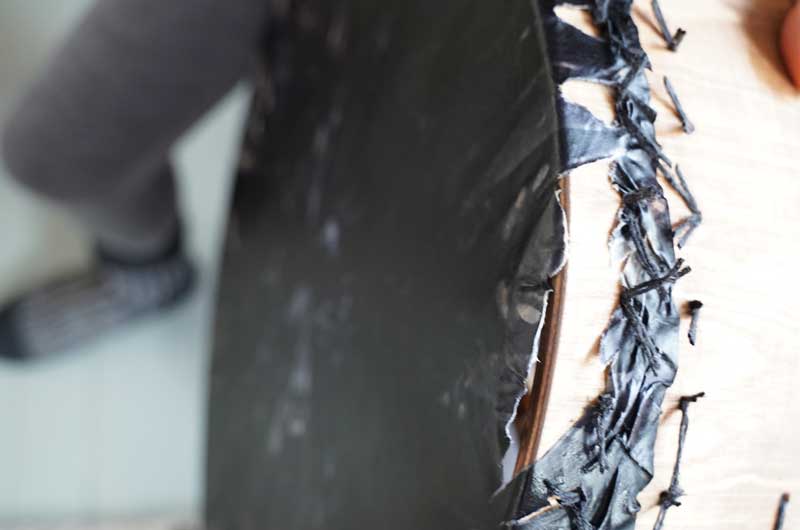
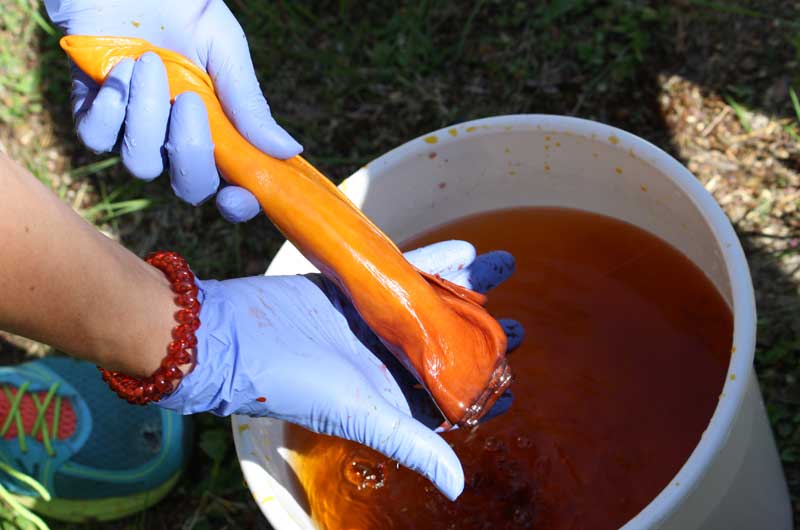
At Rumpu-ukko, every drum we create is a meditation in itself. The process demands presence – you simply cannot rush it, you cannot fake it. Your hands must listen to the hide, feel the tension in the frame, respond to the wood’s unique character. And in that deep listening, that careful responding, something shifts inside you.
The repetitive actions involved in drum-making – stretching, tightening, smoothing, adjusting – are precisely the kind of rhythmic, focused movements that researchers have found most effective at inducing flow states. Time becomes elastic. The mental to-do list fades. There’s just you and the emerging drum, connected to an ancient tradition of makers and healers stretching back thousands of years.
The beauty of the shamanic drum as a craft is that it engages multiple aspects of wellbeing simultaneously:
- Physical engagement – Your hands, arms, and body are actively involved in stretching, shaping, and tuning
- Sensory richness – The smell of hide and wood, the texture under your fingers, the visual transformation, the emerging sound
- Problem-solving – Each drum is unique, requiring you to adapt and respond to the materials
- Creative expression – Every drum becomes a reflection of its maker
- Spiritual connection – Working with natural materials, continuing ancient traditions, creating an instrument for ritual and healing
And here’s the beautiful part that aligns perfectly with research: you don’t need to be an expert to experience these benefits. Whether you’re crafting your first drum or your fiftieth, the wellbeing effects are there, waiting for you in the work itself.
In our modern world, we’ve become increasingly disconnected from the act of making. We consume endlessly, but we create rarely. We’re told we need to buy things to be happy, to express ourselves, to find meaning.
But the research is clear, and our ancestors knew it intuitively: true wellbeing comes not from what we buy, but from what we make. From the flow state that emerges when hands and mind work together. From the quiet satisfaction of watching something take shape under your fingers. From the primal joy of creation itself.
Your hands know how to create. They’re encoded with thousands of years of human crafting wisdom. They’re waiting for you to remember.
Beginning Your Own Journey
Many people tell us they’d love to make their own drum but feel intimidated. “I’m not skilled enough,” they say. “I wouldn’t know where to start.” “What if I mess it up?”
Here’s what we tell them, backed now by research: the value isn’t just in the finished drum. It’s in the process. In the hours of focused flow. In the quieting of anxiety. In the building of new neural pathways. In the satisfaction of working with your hands. In the connection to materials and tradition.
Our Do Your Own Drum kit was designed with this in mind – to make the process accessible while preserving its meditative, healing qualities. All materials are included, along with detailed instructions that guide you gently through each step. But we don’t rush you. We encourage you to take your time, to enter that flow state, to let the making be its own reward.
The drum you create will be unique, imperfect, and completely yours. And the wellbeing benefits? Those begin the moment you unwrap the kit and let your hands remember what they’ve always known how to do.
Whether you make drums, knit scarves, carve wood, or throw pots, you’re engaging in an act as old as humanity itself – and one that science now confirms is essential to wellbeing.
So pick up your tools. Let your hands remember. Enter the flow. Make something.
Your wellbeing will thank you.
Resources:
- Bukhave et al. (2025). “The effects of crafts-based interventions on mental health and well-being: A systematic review.” Australian Occupational Therapy Journal
- Keyes et al. (2024). “Creating arts and crafting positively predicts subjective wellbeing.” Frontiers in Public Health
- Studies from University College London, Mayo Clinic, University of Eastern Finland, and others
Related Posts
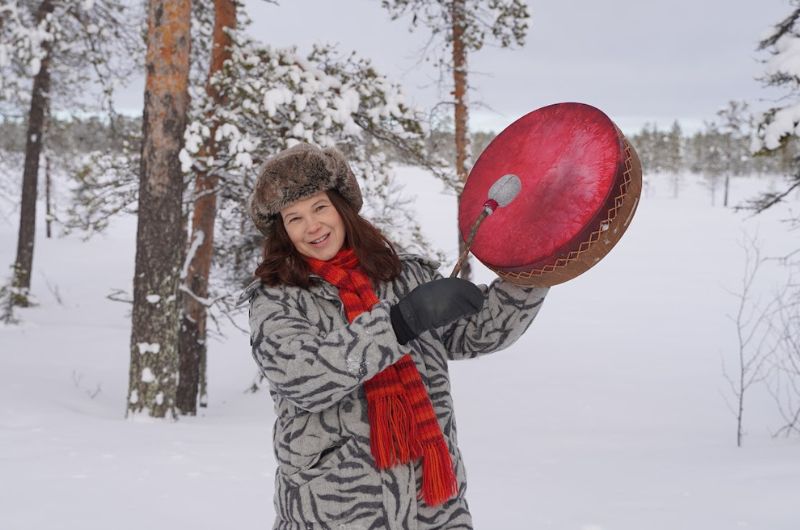
Finding Love in Unexpected Places: Your Drum as a Companion

With Valentine’s Day approaching, I’ve been reflecting on friendship, connection, and the many forms love takes in our lives. Here in Finland, we actually celebrate this day a bit differently – we call it Ystävänpäivä, Friend’s Day. Rather than focusing solely on romantic love, we honour all the meaningful connections in our lives: friends, family, and yes, even the relationship we have with ourselves.
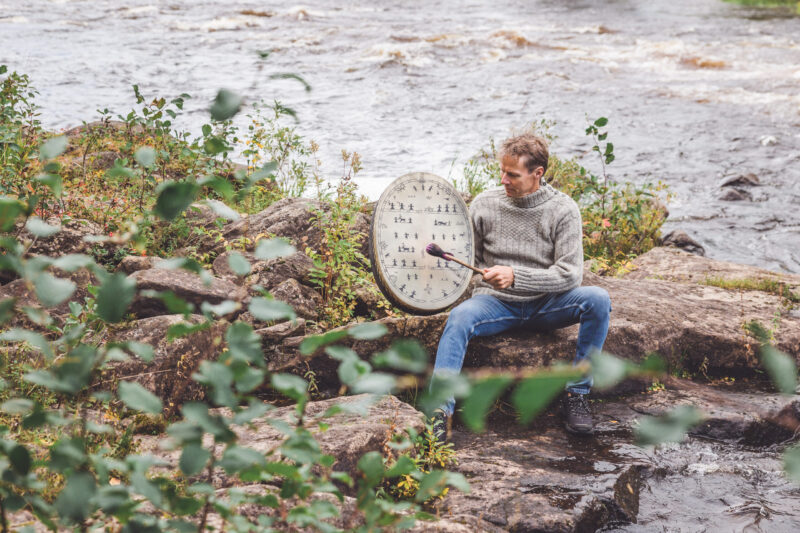
The Sacred Rhythms of Sápmi
In the vast wilderness of Finnish Lapland, where the aurora borealis dances across endless skies and reindeer migrations have carved pathways through time itself, the haunting resonance of traditional Sami drums once guided shamans between worlds. Today, contemporary craftspeople are breathing new life into this ancient tradition, creating instruments that honour the past whilst speaking to modern souls seeking connection with something deeper than themselves.

Forest Bathing with Your Shamanic Drum
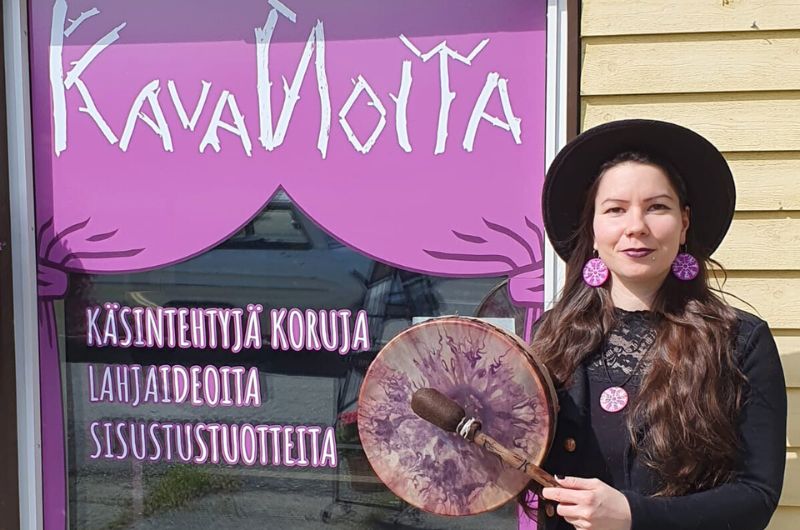
Rumpu-ukko Partners with KavaNoita in Sodankylä
Sometimes the universe has a wonderful way of bringing kindred spirits together. That’s exactly what happened when we discovered Marjo Kavakka’s KavaNoita boutique in Sodankylä.
Planning a trip to Lapland? Now there’s an enchanting new reason to stop by Sodankylä. At KavaNoita boutique, you can experience the perfect blend of our shamanic drums and Marjo’s mystical jewellery – two crafts that share the same spiritual depth and connection to ancient wisdom.

Heart Warriors Unite: Join the Global Drumming Revolution This Lion’s Gate Portal
When the thunder of drums ripples across our planet on the Lion’s Gate Portal, something extraordinary happens. The Global Drums Gathering returns on Friday evening 8.8.2025 at 8 PM. This sacred moment begins in New Zealand, and a wave-like energy starts racing clockwise around our beautiful planet. From his shamanic community base in the Netherlands, Dennis Vessies is organising this magical event for the fourth time – and you’re invited to be part of this worldwide tribe!
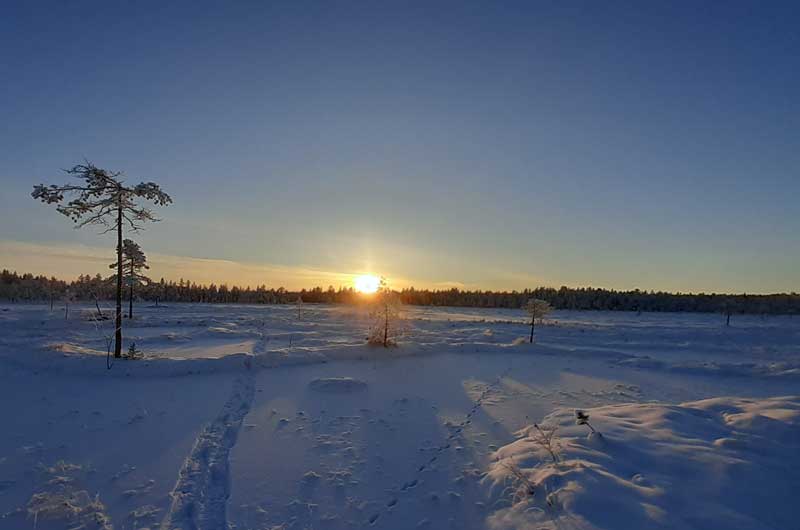
It Is Talking to Me…A Winter Journey with Shamanic Drums
The snowshoes crunch on the frost-covered snow. The old path through the forest has nearly vanished after last night’s snowstorm, and I can only see occasional depressions in the snow to guide my way. There’s no danger of getting lost, however; I’ve traversed this forest strip so many times that I could almost navigate it blindfolded. The snow is already over half a metre deep, so I take care not to slip off the path, which happens if one steps from the compacted base into the soft snow.
Nordic Shamanism: Arctic Wisdom in a Changing World
In the far reaches of the Nordic countries, where the aurora borealis paints the sky and the midnight sun defies the night, lies the homeland of the Sami people. Their rich spiritual traditions, deeply rooted in the Arctic landscape, offer profound insights that resonate even in our modern world.