
Blog
Nordic Shamanism: Arctic Wisdom in a Changing World

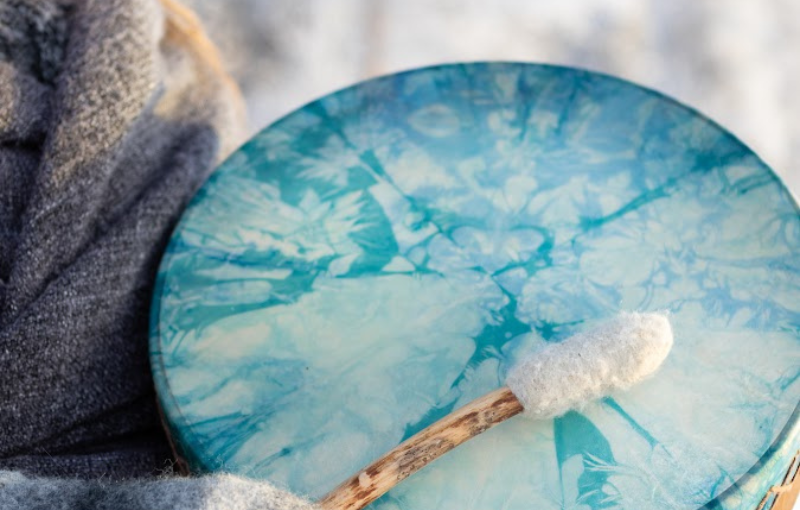
In the far reaches of the Nordic countries, where the aurora borealis paints the sky and the midnight sun defies the night, lies the homeland of the Sami people. Their rich spiritual traditions, deeply rooted in the Arctic landscape, offer profound insights that resonate even in our modern world.
Related Posts
The Forest Listens — The Karelian Lament Tradition

There are things that are hard to say out loud. Grief that doesn’t fit into words. Exhaustion too deep to explain. Feelings that circle inside us with nowhere to go.
Throughout human history, people have taken these things into nature. Not because nature provides answers. But because it receives. Quietly, without judgement, without advice.
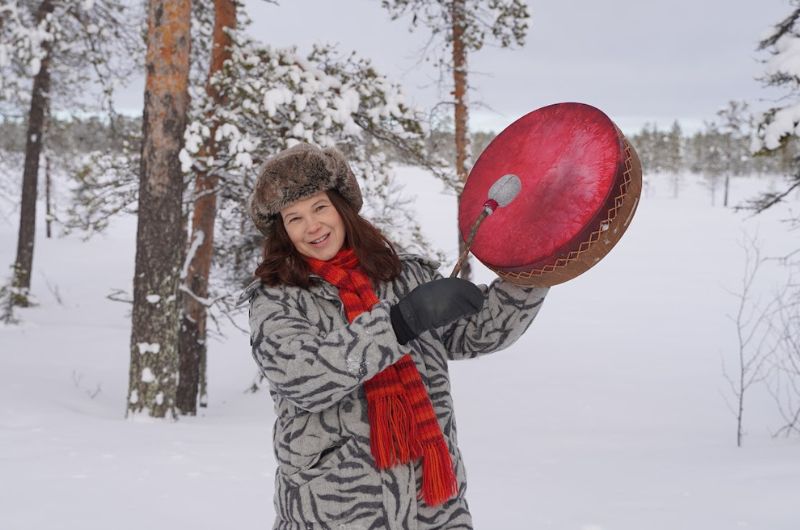
Finding Love in Unexpected Places: Your Drum as a Companion
With Valentine’s Day approaching, I’ve been reflecting on friendship, connection, and the many forms love takes in our lives. Here in Finland, we actually celebrate this day a bit differently – we call it Ystävänpäivä, Friend’s Day. Rather than focusing solely on romantic love, we honour all the meaningful connections in our lives: friends, family, and yes, even the relationship we have with ourselves.
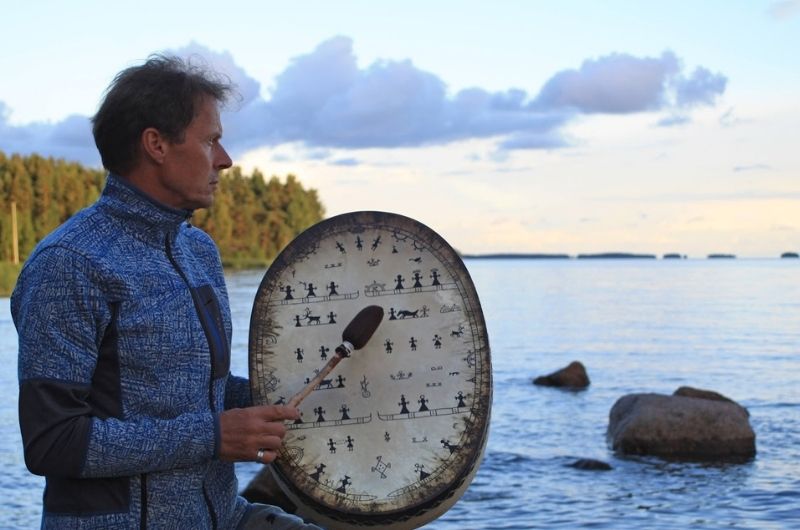
The Power of Words: The Finnish Tietäjä Tradition
Have you ever noticed how certain words, when spoken with intention, seem to carry weight? How a whispered blessing can calm a crying child, or how the right phrase at the right moment can shift an entire day? The old Finnish shamans – the tietäjät – knew this intimately. They were called “the knowing ones” not because they possessed secret knowledge, but because they understood something profound: words, when combined with rhythm and intention, become medicine.
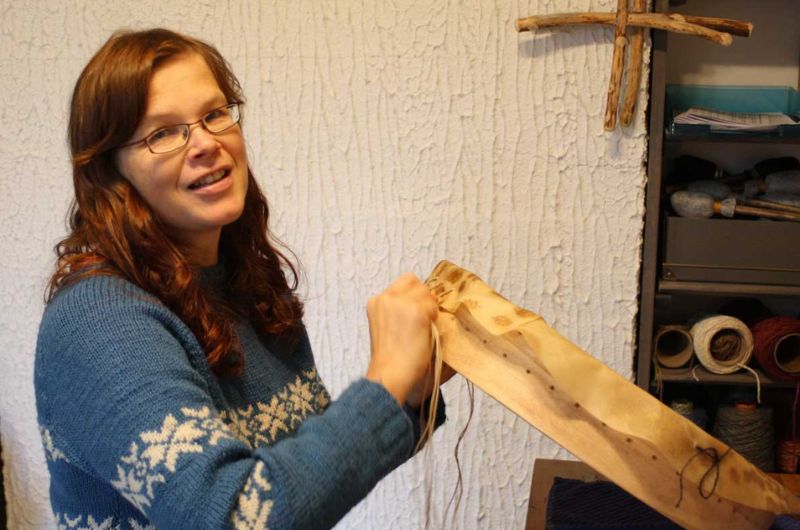
How Working with Your Hands Brings Deep Wellbeing
Have you ever lost yourself so completely in a task that hours felt like minutes? Where the outside world faded away, and there was only you, your hands, and something beautiful taking shape before your eyes? Here at Rumpu-ukko, we experience this magic almost daily. When I’m crafting a new shamanic drum – stretching the reindeer hide, adjusting the tension just so, listening to the first tentative beats – time simply disappears. My mind quiets. My breath slows. The constant mental chatter that usually fills my head fades into silence. It’s not work in the traditional sense. It’s flow. It’s meditation. It’s joy.
And as it turns out, science is now confirming what craftspeople, artisans, and makers have known in their bones for millennia: working with your hands is extraordinarily good for you – not just physically, but mentally, emotionally, and even spiritually.
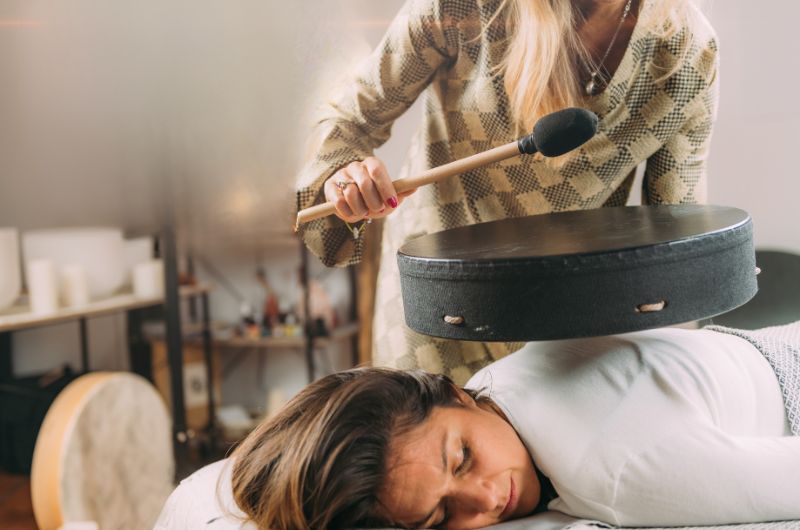
When Body and Mind Become Overloaded – Try Drumming
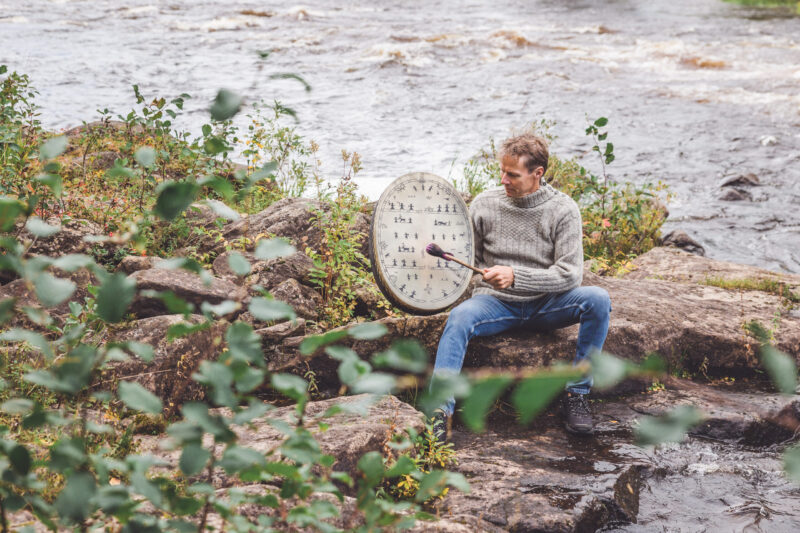
The Sacred Rhythms of Sápmi
In the vast wilderness of Finnish Lapland, where the aurora borealis dances across endless skies and reindeer migrations have carved pathways through time itself, the haunting resonance of traditional Sami drums once guided shamans between worlds. Today, contemporary craftspeople are breathing new life into this ancient tradition, creating instruments that honour the past whilst speaking to modern souls seeking connection with something deeper than themselves.

Forest Bathing with Your Shamanic Drum
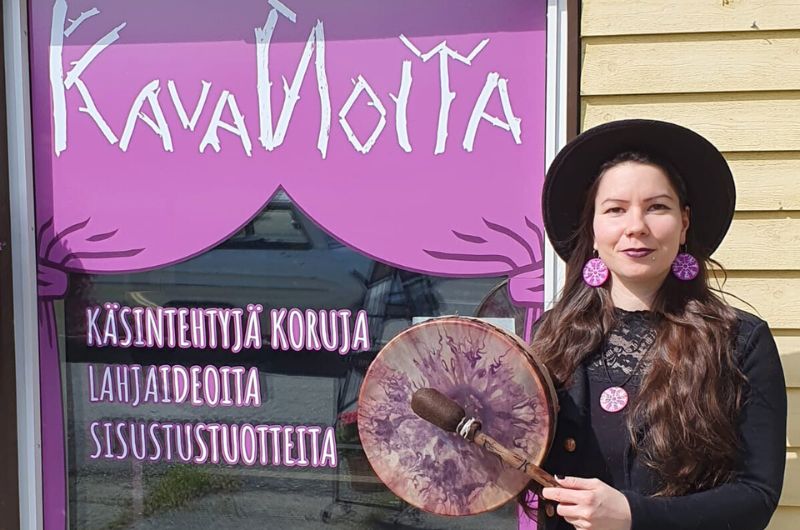
Rumpu-ukko Partners with KavaNoita in Sodankylä
Sometimes the universe has a wonderful way of bringing kindred spirits together. That’s exactly what happened when we discovered Marjo Kavakka’s KavaNoita boutique in Sodankylä.
Planning a trip to Lapland? Now there’s an enchanting new reason to stop by Sodankylä. At KavaNoita boutique, you can experience the perfect blend of our shamanic drums and Marjo’s mystical jewellery – two crafts that share the same spiritual depth and connection to ancient wisdom.
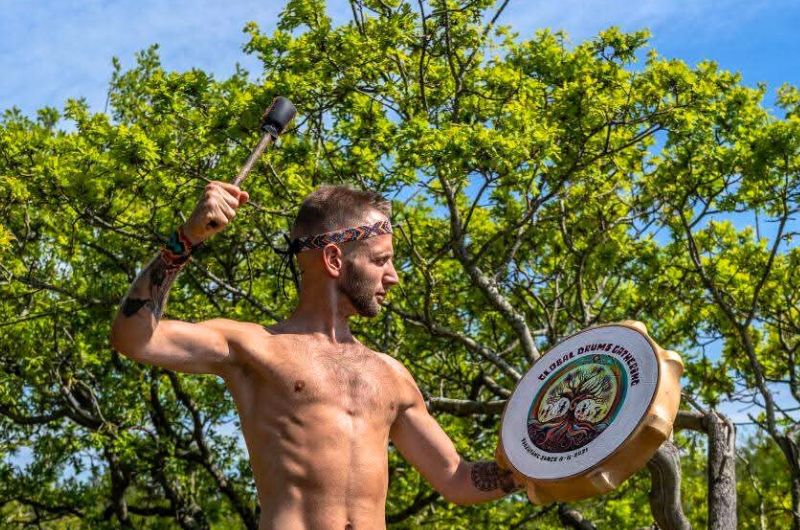
Heart Warriors Unite: Join the Global Drumming Revolution This Lion’s Gate Portal
When the thunder of drums ripples across our planet on the Lion’s Gate Portal, something extraordinary happens. The Global Drums Gathering returns on Friday evening 8.8.2025 at 8 PM. This sacred moment begins in New Zealand, and a wave-like energy starts racing clockwise around our beautiful planet. From his shamanic community base in the Netherlands, Dennis Vessies is organising this magical event for the fourth time – and you’re invited to be part of this worldwide tribe!
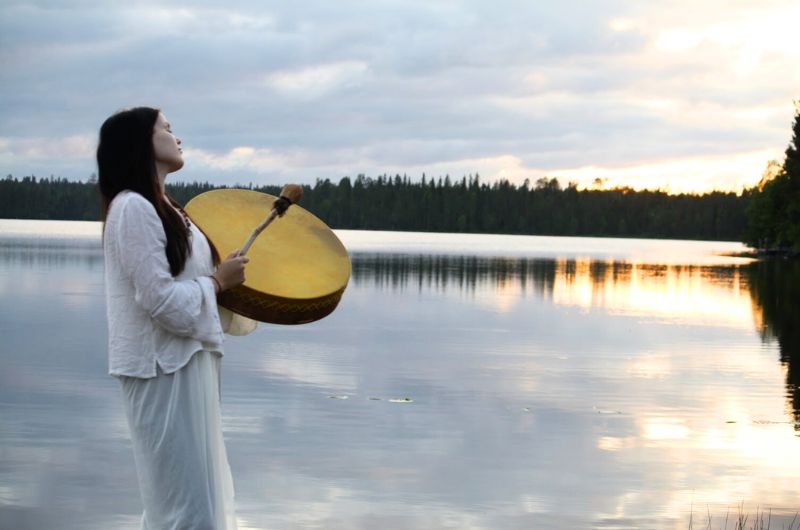
Everyday Shamanism: How to Easily Deepen Your Nature Connection
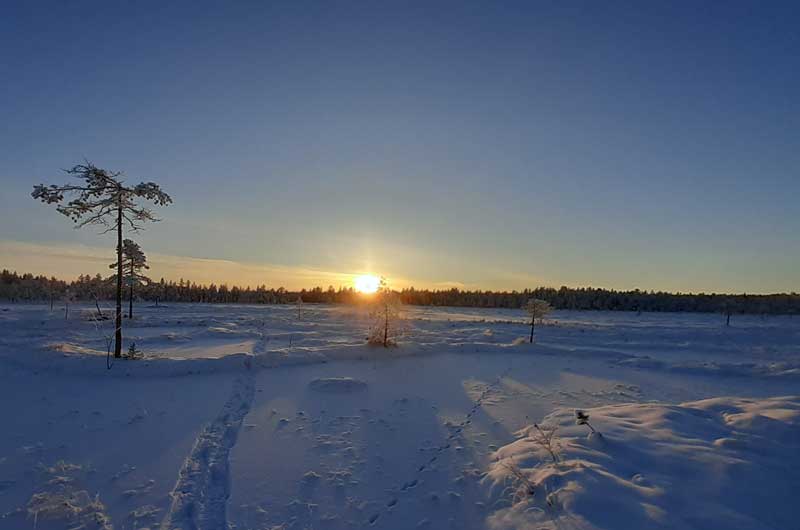
It Is Talking to Me…A Winter Journey with Shamanic Drums
The snowshoes crunch on the frost-covered snow. The old path through the forest has nearly vanished after last night’s snowstorm, and I can only see occasional depressions in the snow to guide my way. There’s no danger of getting lost, however; I’ve traversed this forest strip so many times that I could almost navigate it blindfolded. The snow is already over half a metre deep, so I take care not to slip off the path, which happens if one steps from the compacted base into the soft snow.

The Beat of Wellness: Discover the Healing Power of Drumming
In our fast-paced world, feelings of anxiety and frustration can often overwhelm us. Today, we’d like to share a simple yet effective method to combat these negative emotions: drumming!
